
August 24-25, 2026
Vienna, Austria
We are delighted to welcome you to the 6th International Conference on Cancer Research and Treatment, taking place on August 24-25, 2026, in Vienna, Austria. This conference brings together a global community of researchers, clinicians, academicians, industry experts, and healthcare professionals who share a common goal: advancing the fight against cancer through innovation, collaboration, and scientific excellence.
Under the theme “Outsmarting Cancer: Innovation at Every Stage,” the conference highlights the evolving strategies used to understand, diagnose, and treat cancer across its entire continuum. From early detection and molecular research to precision therapies, immuno-oncology, and survivorship care, this meeting emphasizes how cutting-edge science and technology are reshaping oncology and improving patient outcomes worldwide.
Over two days, participants will engage in insightful keynote lectures, scientific sessions, panel discussions, and networking opportunities designed to foster knowledge exchange and interdisciplinary collaboration. We believe this conference will serve as a dynamic platform to share breakthroughs, discuss challenges, and inspire new approaches that move cancer research and treatment forward.
We warmly invite you to join us in Vienna for this impactful gathering and contribute to meaningful discussions that help shape the future of oncology.
We look forward to welcoming you.
Cancer 2026 is a global scientific meeting designed to highlight recent advances and emerging trends in cancer research and treatment. The conference provides a collaborative environment for experts across disciplines to discuss innovative approaches that improve understanding, diagnosis, and management of cancer.
Aligned with the theme “Outsmarting Cancer: Innovation at Every Stage,” the program emphasizes translational research, precision oncology, immunotherapy, clinical advancements, and technology-driven solutions that address cancer’s complexity at every phase.
The conference features keynote presentations, oral and poster sessions, panel discussions, and networking opportunities, offering participants a comprehensive overview of current challenges and future opportunities in oncology. Cancer 2026 serves as a catalyst for knowledge exchange, collaboration, and the development of strategies that contribute to better patient outcomes worldwide.
Why Attend Cancer 2026?
Cancer 2026 brings together the global oncology community to share the latest advances in cancer research and treatment. The conference offers a collaborative platform for learning, discussion, and professional growth across research and clinical practice.
Who Will Benefit from Cancer 2026?
Cancer 2026 is designed for a broad and multidisciplinary audience, including:
Market Analysis: Cancer Research and Treatment – Cancer 2026!
The global cancer research and treatment market is expanding strongly, driven by rising cancer incidence worldwide, ongoing innovation in diagnostics and therapies, and growing investments in oncology research and healthcare infrastructure.
Market Size & Growth Trends
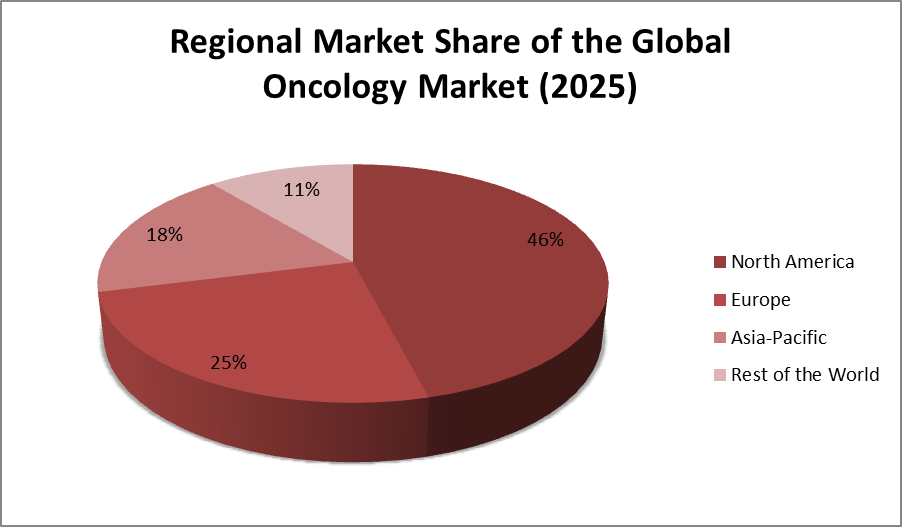
Regional Market Shares
Emerging Growth Indicators
Key Market Insights (for Context)
Conclusion:
The cancer research and treatment sector presents substantial opportunities for clinicians, researchers, and industry professionals to innovate and collaborate. Conferences like Cancer 2026 serve as a critical platform to discuss market trends, share breakthroughs, and foster global partnerships in oncology.
1. Cancer Research
Cancer Research focuses on understanding the biological, genetic, and environmental factors driving cancer initiation and progression. This session highlights basic, translational, and clinical research aimed at discovering novel mechanisms, biomarkers, and therapeutic targets to improve early detection, treatment outcomes, and patient survival across diverse cancer types.
Sub-tracks:
2. Treatment
The Treatment session covers current and emerging cancer therapies, emphasizing personalized and multidisciplinary approaches. Topics include medical, surgical, and radiation-based treatments, combination therapies, and patient-centered care strategies designed to enhance efficacy, minimize side effects, and improve quality of life for cancer patients.
Sub-tracks:
3. Molecular Oncology
Molecular Oncology explores cancer at the molecular and cellular levels, focusing on oncogenes, tumor suppressors, signaling pathways, and epigenetic changes. This session emphasizes how molecular insights drive precision diagnostics and targeted therapies, enabling more accurate treatment selection and improved therapeutic responses.
Sub-tracks:
4. Tumor Growth and Metastasis
This session examines the mechanisms underlying tumor growth, invasion, and metastatic spread. Discussions focus on angiogenesis, tumor microenvironment interactions, immune evasion, and metastatic niches, offering insights into strategies to prevent cancer dissemination and improve long-term patient prognosis.
Sub-tracks:
5. Advances in Cancer Diagnosis
Advances in Cancer Diagnosis highlight innovative technologies for early and accurate cancer detection. Topics include molecular diagnostics, imaging advancements, liquid biopsies, and AI-driven diagnostic tools, aiming to improve screening accuracy, enable early intervention, and support personalized treatment planning.
Sub-tracks:
6. Drug Development
This session focuses on the discovery, design, and clinical evaluation of anticancer drugs. Emphasis is placed on novel compounds, targeted agents, biologics, and translational strategies that accelerate drug development pipelines and improve safety, efficacy, and regulatory success.
Sub-tracks:
7. Breast Cancer
The Breast Cancer session addresses advances in prevention, diagnosis, and treatment of breast malignancies. Topics include molecular subtypes, targeted therapies, resistance mechanisms, and survivorship care, with a focus on improving personalized treatment and long-term outcomes for patients.
Sub-tracks:
8. Lung Cancer
This session explores recent progress in lung cancer research, including molecular profiling, immunotherapy, early detection, and novel treatment approaches. Emphasis is placed on addressing high mortality rates through precision medicine and improved screening strategies.
Sub-tracks:
9. Colorectal and GI Cancers
Colorectal and GI Cancers sessions focus on malignancies of the gastrointestinal tract, highlighting molecular mechanisms, diagnostic biomarkers, and evolving therapeutic strategies. Discussions aim to improve early detection, treatment outcomes, and patient survival across GI cancer types.
Sub-tracks:
10. Gynecological Cancers
This session covers cancers affecting the female reproductive system, including ovarian, cervical, and endometrial cancers. Topics emphasize early diagnosis, molecular classification, targeted therapies, and preventive strategies to enhance patient care and survival rates.
Sub-tracks:
11. Hematological Cancers
Hematological Cancers focus on malignancies of the blood, bone marrow, and lymphatic systems. This session explores molecular pathogenesis, diagnostic advancements, and novel therapies, including immunotherapy and stem cell transplantation.
Sub-tracks:
12. Blood Cancer
Blood Cancer sessions emphasize leukemia, lymphoma, and myeloma research. Discussions include genetic alterations, treatment resistance, and innovative therapeutic approaches aimed at improving remission rates and long-term survival.
Sub-tracks:
13. Cancer Genetics & Genomics
This session explores genetic and genomic alterations driving cancer development. Topics include genome sequencing, hereditary cancer syndromes, and precision oncology approaches that enable personalized risk assessment and treatment planning.
Sub-tracks:
14. Radiation Oncology & Radiobiology
Radiation Oncology & Radiobiology focuses on advances in radiotherapy technologies and biological responses to radiation. Discussions highlight precision radiation delivery, radiosensitizers, and strategies to minimize toxicity while maximizing tumor control.
Sub-tracks:
15. Chemotherapy
This session examines traditional and modern chemotherapy approaches, including drug combinations, resistance mechanisms, and toxicity management. Emphasis is placed on optimizing regimens to improve efficacy while reducing adverse effects.
Sub-tracks:
16. Carcinoma
Carcinoma sessions focus on epithelial cancers, addressing molecular mechanisms, diagnostic challenges, and evolving treatment strategies. The goal is to enhance early detection and improve therapeutic outcomes across carcinoma subtypes.
Sub-tracks:
17. Pediatric Oncology
Pediatric Oncology highlights cancers affecting children and adolescents, focusing on unique biological characteristics, treatment challenges, and survivorship issues. Emphasis is placed on reducing long-term side effects while improving cure rates.
Sub-tracks:
18. Cancer Stem Cells
This session explores the role of cancer stem cells in tumor initiation, progression, and therapy resistance. Discussions focus on targeting stem cell populations to prevent relapse and improve treatment durability.
Sub-tracks:
19. Cancer and Nutrition
Cancer and Nutrition examines the relationship between diet, metabolism, and cancer progression. Topics include nutritional interventions, metabolic pathways, and supportive care strategies to enhance treatment tolerance and patient outcomes.
Sub-tracks:
20. AI & Digital Innovations in Oncology
This session focuses on artificial intelligence and digital technologies transforming oncology. Topics include AI-driven diagnostics, predictive analytics, digital pathology, and personalized treatment planning to enhance accuracy and efficiency in cancer care.
Sub-tracks:
Cancer 2026 | World Congress on Cancer Research | Global Summit on Cancer Biology and Therapy | European Cancer Congress | Precision Oncology World Conference | International Cancer Immunotherapy Conference | Radiation Oncology and Medical Physics Congress | Global Oncology and Hematology Summit
American Association for Cancer Research (AACR) | European Society for Medical Oncology (ESMO) | American Society of Clinical Oncology (ASCO) | International Union Against Cancer (UICC) | European Association for Cancer Research (EACR) | Radiation Research Society
Cancer Research | Journal of Clinical Oncology | Radiotherapy and Oncology | International Journal of Radiation Oncology Biology Physics | Cancer Treatment Reviews | Clinical Cancer Research | The Oncologist | European Journal of Cancer | Oncology Reports